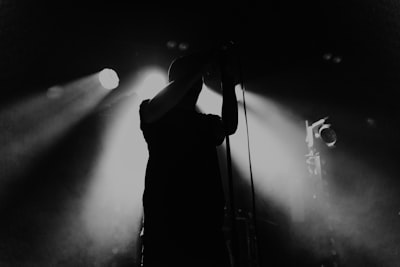
Pedra do Sal
Pedra do Sal is not a venue in the traditional sense but an open-air gathering at the historic Pedra do Sal rock formation in the Saude neighborhood, a few blocks from the port. The site has deep cultural significance as a meeting point for Afro-Brazilian communities since the 19th century, when enslaved people were brought through the nearby Valongo Wharf. Today, the cobblestone square at the base of the rock hosts two weekly rodas de samba: Mondays and Fridays, starting around 7 PM and running until midnight or later. There is no cover charge, no door, and no formal structure. Musicians set up on the steps, the crowd gathers in the square, and the music begins. Street vendors sell beer from coolers (R$5-8) and caipirinhas from makeshift stands. Nearby bars spill their tables onto the cobblestones. The crowd on a good Friday night can number in the hundreds, filling the narrow street and surrounding alleys. The music is traditional samba de raiz, played on cavaquinho, pandeiro, surdo, and tamborim. This is one of the most authentic samba experiences in Rio, rooted in the actual history of the music.

Where to stay near Pedra do Sal
Hotels close to Centro, Rio de Janeiro.
See places to stay and current pricesWhat to Expect
A spontaneous street party built around live samba at the base of a historic rock formation. Cobblestones, plastic chairs, coolers of beer, and some of the best traditional samba you will hear in Rio.
Raw, joyful, and deeply rooted in Afro-Brazilian cultural tradition.
Samba de raiz, partido alto, pagode de mesa
Casual. Shorts and sandals are standard.
Samba lovers, travelers seeking authentic cultural experiences, budget-conscious visitors who want great music for free
Cash only. Street vendors do not accept cards.
Price Range
No cover charge, street beer 5-8 BRL, caipirinha from vendors 10-15 BRL
Street beer ~$1-1.60/~0.90-1.45 EUR, caipirinha ~$2-3/~1.80-2.70 EUR
Hours
19:00-00:00 Mon and Fri (informal, can run later)
Insider Tip
Go on Friday for the bigger crowd and better energy. Arrive by 7:30 PM to get a spot close to the musicians. Carry only small bills and leave valuables at the hotel. The area is not well-lit, so keep your phone out of sight.
Full Review
Pedra do Sal is the kind of place that travel writers tend to describe with words we do not use in this guide. So here is the plain version: it is a cobblestone square at the base of a large rock in a quiet neighborhood near the port, and on Monday and Friday nights, a group of musicians shows up and plays samba until late. That is all. And it is one of the best things you can do in Rio de Janeiro.
The music starts informally. A cavaquinho player sits on the steps, a pandeiro joins, then a surdo, and within 30 minutes there is a full roda in progress. The quality of the musicians varies, but the best Friday nights feature players who would headline any samba club in Lapa. The difference is that here there is no cover charge, no velvet rope, and no consumption card.
The crowd is mixed but leans local. Residents from the surrounding Saude and Gamboa neighborhoods, university students, samba aficionados, and a growing number of tourists who have heard about the gathering through word of mouth. The atmosphere is relaxed and welcoming. People dance, drink beer from cans or plastic cups, eat snacks from street vendors, and talk between songs.
Safety requires attention. The Saude neighborhood is not a tourist area, and the streets around Pedra do Sal get dark and quiet beyond the gathering itself. Take Uber directly to the square and leave the same way. Do not walk through the surrounding blocks at night. Keep your phone in your pocket and carry only small bills. The gathering itself is generally safe due to the number of people, but the periphery is not.
The historical weight of the location adds a dimension that is hard to ignore. This is where samba was born, where enslaved Africans gathered, and where the cultural traditions that define Rio were forged. Sitting on the cobblestones with a cold beer, listening to a cavaquinho cut through the night air, you are participating in something that has been happening on this exact spot for over a century.
The Neighborhood
Located in the Saude neighborhood near the Valongo Wharf archaeological site, a UNESCO World Heritage landmark. The port area has been partially revitalized but remains quiet and underdeveloped at night.
Getting There
Uber from Copacabana takes 15-25 minutes. No convenient metro station nearby. The VLT light rail stops at Saude during daytime hours.
Address
Largo João da Baiana, Saude
Other Venues in Centro
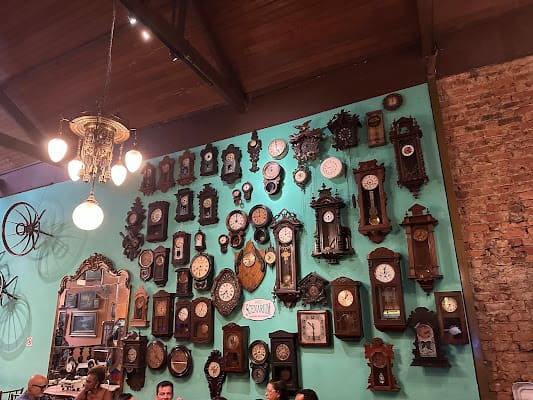
Rio Scenarium
Three-story venue in a restored colonial warehouse filled with antiques and vintage decor. Live samba and choro bands play nightly, drawing a mixed crowd of locals and visitors.
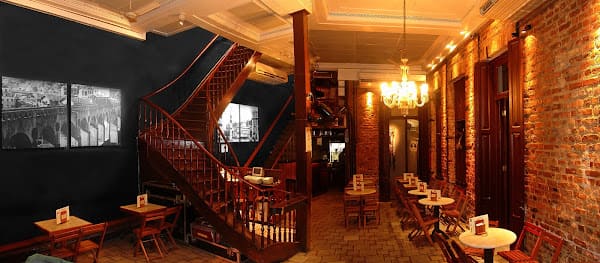
Carioca da Gema
Intimate samba house that books some of Rio's best traditional musicians. The small dance floor gets packed on weekends, so arriving before 10 PM is a good idea.

Lapa 40 Graus
Multi-level club near the Arcos da Lapa with different music styles on each floor. Expect samba, funk carioca, and electronic sets depending on the night.
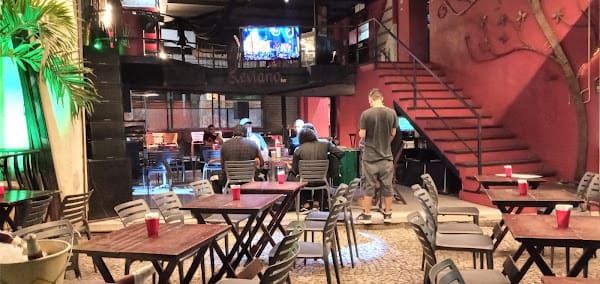
Leviano Bar
Underground cocktail bar tucked into a basement space downtown. Known for creative drinks and a DJ lineup that leans toward house and disco.
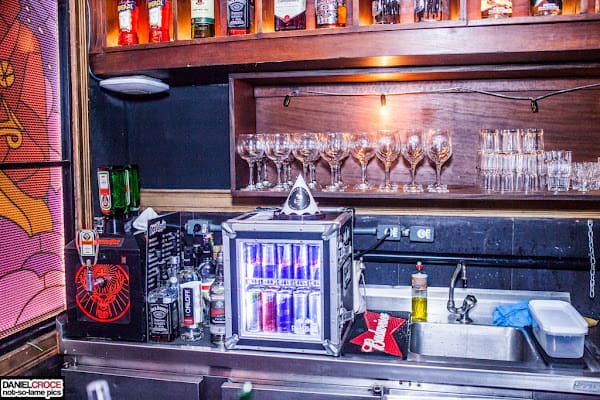
Bar Bukowski
Low-key spot popular with the local after-work crowd and bohemian regulars. Cold draft beer and simple petiscos keep the atmosphere unpretentious.
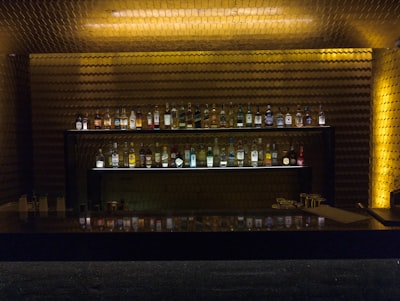
Angu do Gomes
Historic boteco operating since 1955, tucked into a narrow storefront near Praca Tiradentes. Known for its namesake angu dish and cold draft beer served to a loyal crowd of regulars.