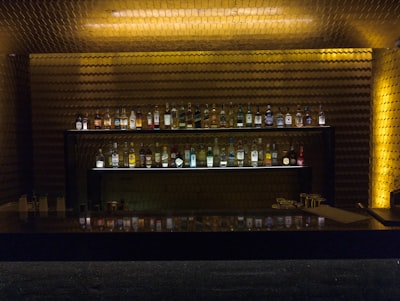
Pulqueria La Risa
Pulqueria La Risa on Calle Mesones is among the last genuine pulquerias still operating in the Centro Histórico, serving natural and flavored pulque to a loyal neighborhood crowd. The space is minimal: plastic cups, hand-painted signs listing the day's flavors, wooden benches along the walls, and a counter where the pulque is served from large barrels or plastic containers. Flavors rotate through what the producer delivers, typically including natural pulque alongside flavors like pineapple, oatmeal, strawberry, celery, and mamey. Prices are low by any CDMX standard, which keeps the demographic firmly local: construction workers, older neighborhood men, and occasional adventurous younger drinkers seeking a less gentrified experience than the hipster pulquerias in Roma and Condesa.

Where to stay near Pulqueria La Risa
Hotels close to La Merced, Mexico City.
See places to stay and current pricesWhat to Expect
A small, rough-around-the-edges pulqueria with plastic cups, hand-painted flavor boards, and a crowd of mostly older neighborhood men. Service is Spanish-only and fast.
Raw, local, and unvarnished. One of the last of its kind in the center.
Cumbia and norteña from a small radio or jukebox
Very casual. Dress down. Avoid anything that signals tourist or money.
Travelers interested in traditional pulque culture, adventurous drinkers comfortable with Spanish and rough settings
Cash only, small bills preferred
Price Range
Pulque natural 30-50 MXN per liter, flavored curado 40-70 MXN per liter, tostadas 20-40 MXN
Pulque natural ~$1.60-2.70, curado ~$2.20-3.80, tostadas ~$1.10-2.20
Hours
Mon-Sat 11:00-20:00, closed Sunday
Insider Tip
Pulque ferments continuously, so early afternoon has the freshest batch. Try the curado flavors (oatmeal, pineapple, celery) before committing to natural pulque since the taste is acquired. Bring cash in small denominations.
Full Review
Pulqueria La Risa occupies a modest storefront on Calle Mesones in the southern stretch of the Centro Histórico, and the format has barely changed in decades. The entrance is a single door with a hand-painted sign advertising the day's pulque flavors. Inside, the space is narrow and long, with a service counter at the back where the pulque is dispensed from large containers. Wooden benches line the walls, and the decor consists mostly of painted signs, faded murals, and the occasional religious image.
Pulque itself is the fermented sap of the maguey plant, a pre-Hispanic drink with a slightly viscous texture and a sour, yeasty flavor that takes some adjustment for first-time drinkers. La Risa serves natural pulque alongside curados, which are pulque blended with fruit, vegetables, or grains. Common curado flavors include piña (pineapple), avena (oatmeal), apio (celery), fresa (strawberry), and mamey. The rotation depends on what the producer delivers each morning, and by late afternoon the flavors list shifts as barrels run dry.
Pricing is among the cheapest drinking in CDMX: a liter of natural pulque runs 30 to 50 MXN, and curados cost 40 to 70 MXN per liter. Simple tostadas with beans or tinga pair with the drinks at 20 to 40 MXN each. The clientele is almost exclusively local, skewing older and working-class, though younger adventurous drinkers have started appearing in small numbers as pulque culture gets more attention in food media.
Compared to the remodeled pulquerias in Roma Norte, La Risa represents the older format largely unchanged. The space is rougher, the service faster, and the crowd less interested in the aesthetic photos. The Centro Histórico location adds complexity: the immediate block is fine during daylight, but the area feels less safe after dark, and standard CDMX precautions apply. Visit in the afternoon, cash only, and don't photograph other patrons without asking.
The Neighborhood
Calle Mesones runs through the southern Centro Histórico, a commercial corridor that has kept a working-class character even as the Zócalo-facing streets gentrify. Other old pulquerias still operate in the surrounding blocks.
Getting There
Metro Isabel la Católica on Line 1 is a five-minute walk. Metro Pino Suárez on Lines 1 and 2 is 10 minutes. Daytime walking from the Zócalo is fine; use Uber after dark.
Address
Calle Mesones 71, Centro Historico
Other Venues in La Merced
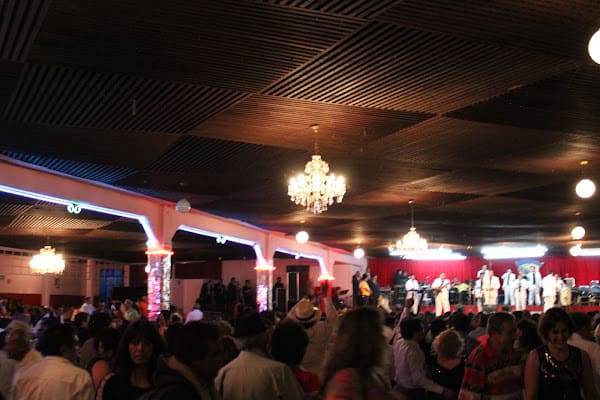
Salon Los Angeles
Historic dance hall operating since 1937. Live cumbia, salsa, and danzon bands on weekends. One of Mexico City's most authentic dance venues. Cover around 100-200 MXN.
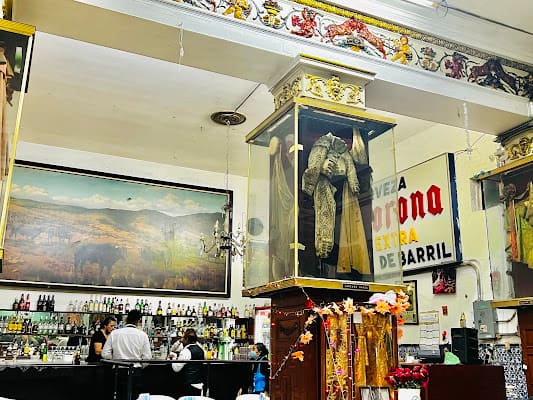
Cantina La Faena
Old-school cantina near the Merced market with cheap beer, botanas (free snacks with drinks), and a mostly male local crowd. Cash only.
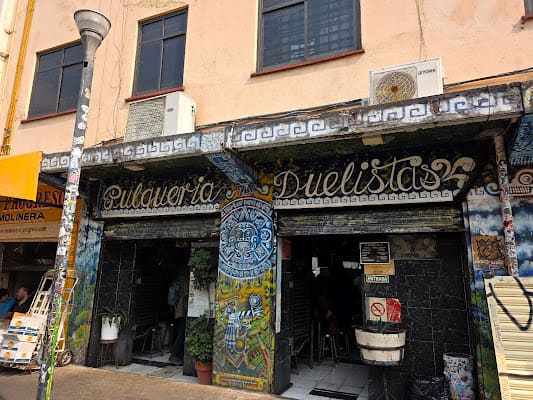
Pulqueria Las Duelistas
Traditional pulqueria in the Centro Historico serving flavored pulque. A piece of living Mexican drinking culture. Noisy, crowded, and inexpensive.
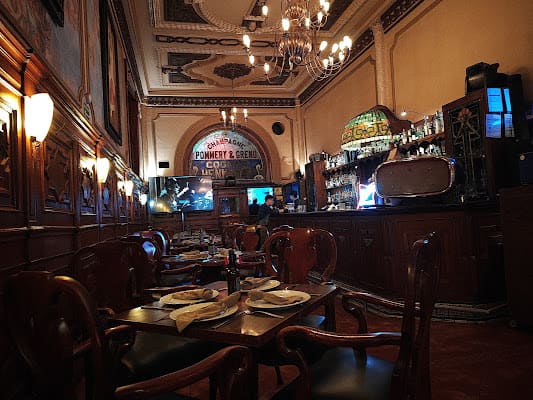
Bar Mancera
Century-old cantina at the edge of the La Merced district. Tile floors, swinging doors, and cheap mezcal. Frequented by market workers and local regulars.

Salon Tenampa
Legendary mariachi bar on Plaza Garibaldi that has operated since 1925. Live mariachi bands perform continuously, and the tequila flows freely. A cornerstone of Mexico City's musical heritage.
Cantina La Peninsular
Traditional cantina in the Centro Historico with swinging saloon doors and free botanas served with every round. The clientele is almost entirely working-class locals from the surrounding market area.